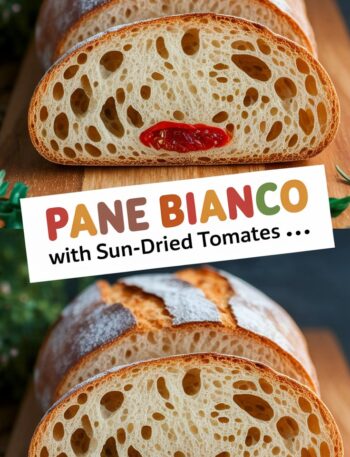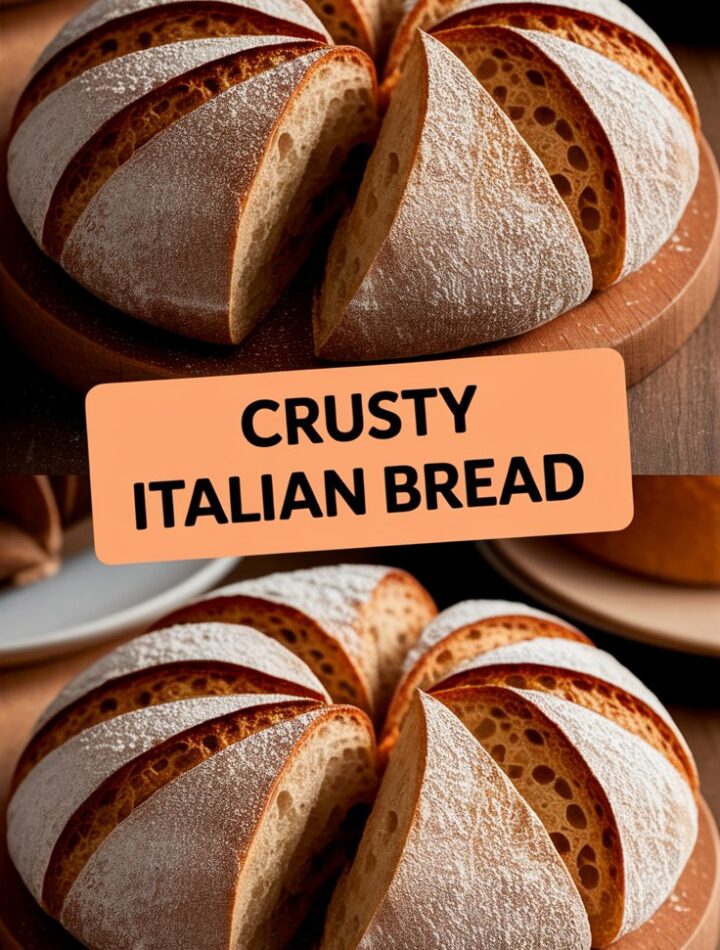
Few foods in the world carry the same emotional and cultural weight as crusty Italian bread. From bustling village bakeries in Tuscany to modern home kitchens across the globe, this rustic loaf represents comfort, tradition, and simplicity at its finest. A perfectly baked Italian bread has a deeply golden, crackly crust that sings as it cools, paired with a light, airy interior full of irregular holes and subtle wheat flavor.
This article is a complete, expert-level guide designed to help you master the art of making the best crusty Italian bread at home, even if you have never baked bread before.
Why Homemade Crusty Italian Bread Is Better Than Store-Bought
Homemade bread offers advantages that commercial loaves simply cannot match. While store-bought bread prioritizes shelf life and consistency, homemade Italian bread prioritizes flavor, texture, and freshness.
Key Benefits of Baking at Home
- Superior texture: A crisp crust and tender crumb that stays fresh longer
- Pure ingredients: No preservatives, conditioners, or artificial additives
- Better flavor development: Slow fermentation builds depth and complexity
- Cost-effective: One loaf costs a fraction of bakery prices
- Complete control: Adjust hydration, crust thickness, and shape
Making bread at home is also deeply satisfying. The process itself—mixing, kneading, shaping, and baking—creates a connection to food that modern convenience products often lack.
What Defines Authentic Crusty Italian Bread
Italian bread varies by region, but traditional crusty loaves share a few defining characteristics:
- Lean dough: No milk, butter, or eggs
- High hydration: Encourages open crumb structure
- Strong gluten network: Provides structure and chew
- Steam-assisted baking: Produces blistered, crackly crust
- Simple flavor profile: Wheat-forward with mild natural tang
This recipe follows those principles while remaining accessible to home bakers.
Ingredients Explained: Why Each One Matters
Great bread starts with understanding your ingredients. Italian bread relies on just a few components, but each plays a critical role.
Flour
All-purpose flour works beautifully for home baking, offering a balance of strength and tenderness. Bread flour can be used for a chewier crumb, but it is not required.
Water
Water hydrates the flour and activates gluten formation. Warm water encourages yeast activity, but overly hot water can weaken fermentation.
Yeast
Yeast is responsible for fermentation and rise. Active dry yeast provides consistent results and excellent flavor development.
Salt
Salt enhances flavor, regulates yeast activity, and strengthens gluten structure. Skipping salt results in flat, bland bread.
Olive Oil (Optional)
While traditional Italian bread is oil-free, a small amount of olive oil can soften the crumb slightly without compromising crust quality.
The Science Behind a Crispy Crust
A truly crusty loaf is the result of controlled moisture, heat, and timing.
- Steam delays crust formation, allowing maximum oven spring
- High heat sets structure quickly, locking in air pockets
- Moist surface gelatinizes starch, creating shine and crunch
This is why professional bakeries rely on steam-injected ovens—and why we replicate that effect at home.
Essential Equipment (No Fancy Tools Required)
You do not need professional tools to bake excellent bread. These basics are enough:
- Mixing bowl
- Measuring cups or kitchen scale
- Baking sheet or stone
- Sharp knife for scoring
- Wire cooling rack
Optional upgrades include a Dutch oven or baking stone, but this recipe works without them.
Step-by-Step Method for Best Crusty Italian Bread
Step 1: Activate the Yeast
Warm water and a small amount of sugar wake up the yeast and ensure proper fermentation. Foamy yeast indicates readiness.
Step 2: Mixing the Dough
Combine flour and salt before adding liquid. This ensures even salt distribution and balanced gluten formation.
Step 3: Kneading
Kneading aligns gluten strands, creating strength and elasticity. Properly kneaded dough should feel smooth and springy.
Step 4: First Rise
During this stage, yeast produces carbon dioxide, expanding the dough and building flavor. A slow, full rise is key.
Step 5: Shaping
Gentle shaping preserves air pockets while creating surface tension that helps the loaf rise upward instead of outward.
Step 6: Second Rise
This shorter rise allows the dough to relax and expand one final time before baking.
Step 7: Scoring
Shallow cuts guide expansion and prevent uncontrolled cracking.
Step 8: Baking with Steam
Steam ensures maximum rise and a glossy, crisp crust.
Step 9: Cooling
Cooling completes the crumb structure. Cutting too early compresses the interior.
Common Bread Mistakes and How to Avoid Them
Dense Crumb
Usually caused by under-kneading or insufficient rise time.
Pale Crust
Often the result of low oven temperature or lack of steam.
Flat Loaf
Can occur if dough is over-proofed or shaped without tension.
Sour Flavor
Typically due to excessive fermentation time or warm conditions.
Variations to Customize Your Italian Bread
Herb-Infused Italian Bread
Add dried rosemary, oregano, or thyme for aromatic depth.
Whole Wheat Italian Bread
Replace up to 50% of the flour for added nutrition and nutty flavor.
Cheese-Topped Crust
Sprinkle aged Parmesan or Asiago before baking.
Rustic Rolls
Divide dough into portions for sandwich rolls or dinner bread.
Serving Ideas for Crusty Italian Bread
- Dip in olive oil and balsamic vinegar
- Serve alongside soups and stews
- Use for bruschetta or crostini
- Build hearty sandwiches
- Toast for garlic bread
Storage, Freezing, and Reheating
Storage
Store at room temperature in a paper bag for up to three days.
Freezing
Freeze tightly wrapped loaves for up to two months.
Reheating
Re-crisp in a hot oven for best texture.
Frequently Asked Questions
Can I use instant yeast?
Yes. Mix directly with flour and adjust rise time slightly.
Why is steam important?
Steam allows the loaf to expand fully before crust formation.
Can I refrigerate the dough?
Yes. Cold fermentation enhances flavor and flexibility.
How do I know when bread is done?
The loaf should sound hollow and reach an internal temperature of about 195°F.
Is Italian bread vegan?
Yes. This recipe contains no animal products.
Nutritional Overview
Italian bread is naturally low in fat and made with simple carbohydrates, making it suitable for balanced meals when paired with protein and vegetables.
Final Thoughts: Mastering Bakery-Style Italian Bread at Home
Baking the best crusty Italian bread is not about perfection—it is about understanding the process and trusting simple ingredients. With practice, patience, and the techniques outlined in this guide, you can consistently produce loaves that rival artisan bakeries.
This recipe is designed to grow with you. Start simple, experiment with variations, and enjoy the rewarding experience of homemade bread that nourishes both body and soul.